Charitable Bequests Explained: Benefits for Donors and Nonprofits
 Chinafoundations Team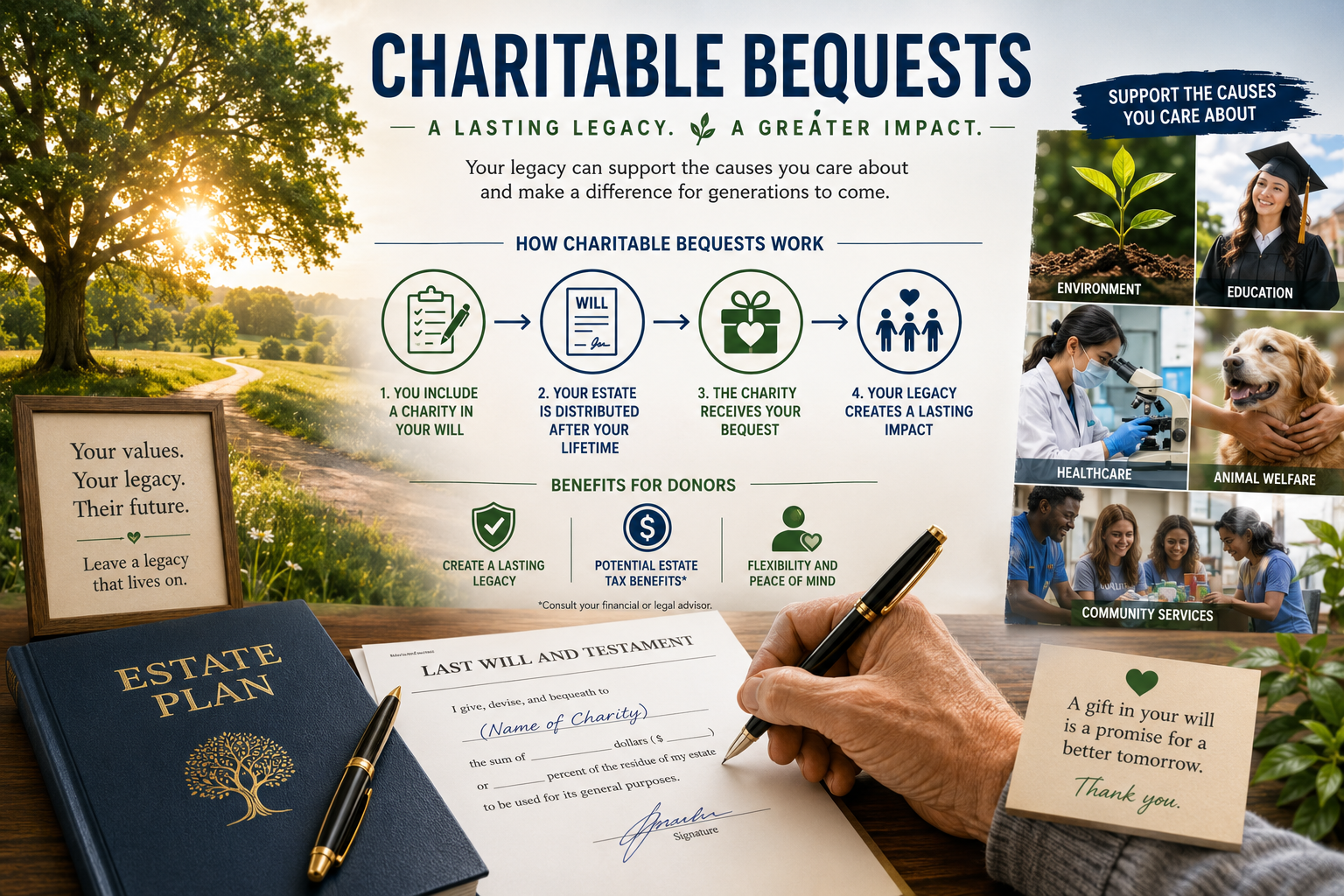
Charitable Bequests Explained: Benefits for Donors and Nonprofits - Charitable giving has long been a powerful way for individuals to support causes they care about and create a positive impact on society. While many people donate during their lifetimes, an increasing number are choosing to extend their generosity beyond their years through charitable bequests. As one of the most common forms of planned giving, charitable bequests allow donors to leave money, property, or other assets to nonprofit organizations through their estate plans.
For donors, charitable bequests offer an opportunity to create a lasting legacy while potentially providing estate planning advantages. For nonprofits, these gifts can provide critical funding that supports long-term missions and future growth.
This article explains what charitable bequests are, how they work, and the benefits they provide for both donors and nonprofit organizations.
What Is a Charitable Bequest?
A charitable bequest is a gift left to a nonprofit organization through a person's will or living trust. The donor specifies that a portion of their estate will be transferred to a charitable organization after their death.
Unlike annual donations or one-time gifts made during life, charitable bequests become effective only after the donor passes away. Because of this, they are considered a form of planned giving or legacy giving.
Charitable bequests can support a wide variety of organizations, including:
- Educational institutions
- Religious organizations
- Environmental charities
- Medical research foundations
- Animal welfare groups
- Community development organizations
- Humanitarian relief agencies
Many major nonprofit organizations receive significant portions of their funding from planned gifts, including charitable bequests.
How Charitable Bequests Work
The process of creating a charitable bequest is generally straightforward.
A donor works with an attorney or estate planning professional to include specific language in a will or trust. This language identifies:
- The nonprofit organization receiving the gift
- The amount or percentage of the estate to be donated
- Any conditions or restrictions attached to the gift
After the donor's death, the estate administrator or trustee distributes assets according to the instructions outlined in the estate documents.
Because charitable bequests are typically revocable, donors maintain full control over their assets during their lifetime and can modify their plans if circumstances change.
Types of Charitable Bequests
There are several ways donors can structure charitable bequests depending on their goals and financial situation.
Specific Bequest
A specific bequest leaves a designated asset or fixed amount to a charity.
Examples include:
- $50,000 to a medical research foundation
- A piece of real estate to a conservation organization
- Shares of stock to a university
This is one of the simplest forms of charitable bequests.
Percentage Bequest
A percentage bequest leaves a specific percentage of the donor's estate to a nonprofit organization.
For example:
- 10% of the estate to an environmental charity
- 25% of the estate to a local community foundation
This approach helps ensure that the gift remains proportional regardless of changes in estate value over time.
Residual Bequest
A residual bequest leaves all or part of the remaining estate after debts, taxes, and other bequests have been distributed.
Many estate planning professionals recommend this method because it adjusts naturally to changes in estate size.
Contingent Bequest
A contingent bequest takes effect only if certain conditions are met.
For example:
- Assets may pass to a charity if a primary beneficiary predeceases the donor.
- A nonprofit may receive funds if no surviving heirs remain.
This option provides additional flexibility within an estate plan.
Why Donors Choose Charitable Bequests
Charitable bequests have become increasingly popular because they allow individuals to support meaningful causes without affecting their current financial security.
Creating a Lasting Legacy
One of the primary motivations for charitable bequests is the desire to leave a lasting impact.
Many donors spend years supporting organizations that align with their values. Including these organizations in an estate plan allows their commitment to continue long after their lifetime.
Whether supporting education, healthcare, environmental protection, or humanitarian causes, charitable bequests can help sustain important missions for future generations.
Supporting Causes Without Immediate Financial Sacrifice
Some individuals want to make significant charitable contributions but may need their assets to support retirement, healthcare expenses, or family needs.
Charitable bequests provide a solution by allowing donors to:
- Retain control of assets during life
- Continue using their resources as needed
- Leave substantial gifts to charity later
This flexibility makes planned giving accessible to a broader range of individuals.
Reflecting Personal Values
Estate planning is often about more than transferring wealth.
Many people use charitable bequests to express personal values and priorities. A bequest can reflect a lifelong commitment to:
- Environmental conservation
- Scientific research
- Social justice
- Animal welfare
- Faith-based missions
- Community development
For many donors, legacy giving represents an opportunity to align financial planning with personal purpose.
Estate Planning Benefits
While charitable bequests are often motivated by philanthropy, they can also play an important role in broader estate planning strategies.
Potential Estate Tax Advantages
In some jurisdictions, charitable gifts made through an estate may reduce the taxable value of the estate.
This can potentially lower estate tax obligations and allow more assets to be directed toward intended beneficiaries and charitable causes.
Because tax laws vary significantly by country and individual circumstances, donors should consult qualified legal and tax professionals before making decisions.
Simplified Giving Strategy
Compared with creating a private foundation or establishing more complex charitable vehicles, charitable bequests are relatively simple to implement.
Most donors only need to update their will or trust documents.
This simplicity makes charitable bequests one of the most accessible forms of planned giving.
Flexibility
Charitable bequests can generally be modified throughout a donor's life.
If financial circumstances change, family needs evolve, or charitable priorities shift, estate planning documents can usually be updated accordingly.
This flexibility gives donors confidence that they can adapt their plans as needed.
Benefits for Nonprofit Organizations
Charitable bequests offer significant advantages not only for donors but also for nonprofit organizations.
Long-Term Financial Stability
Legacy gifts often provide nonprofits with substantial funding that supports future operations and strategic initiatives.
Many organizations use bequests to:
- Expand programs
- Build endowments
- Invest in infrastructure
- Support research
- Fund scholarships
- Launch new initiatives
These gifts help create financial resilience and sustainability.
Larger Gifts Than Lifetime Donations
Because bequests are made through estates, they are often larger than annual donations made during a donor's lifetime.
A donor who contributes modest amounts annually may ultimately leave a transformative gift through their estate.
For nonprofits, these gifts can significantly accelerate mission-driven work.
Strengthening Future Impact
Planned gifts allow organizations to think beyond immediate needs and invest in long-term goals.
This future-oriented funding can support projects that may take years or decades to achieve meaningful results.
Environmental conservation, medical research, educational endowments, and community development programs often benefit from this type of long-range support.
Common Misconceptions About Charitable Bequests
"Only Wealthy People Can Leave Bequests"
One of the most common myths is that charitable bequests are only for wealthy individuals.
In reality, donors of all income levels can include charitable gifts in their estate plans.
Even modest bequests can create meaningful impact when combined with gifts from other supporters.
"My Family Will Lose Everything"
A charitable bequest does not require donors to disinherit family members.
Many donors leave the majority of their estate to loved ones while allocating a smaller percentage to charitable causes.
Estate plans can be structured to balance both family and philanthropic goals.
"The Process Is Complicated"
While estate planning requires professional guidance, adding a charitable bequest is often relatively simple.
Many nonprofits even provide sample bequest language that donors can share with attorneys during the planning process.
The Growing Importance of Legacy Giving
As populations age and wealth transfers between generations increase, charitable bequests are becoming increasingly important within the nonprofit sector.
Financial experts frequently discuss the "Great Wealth Transfer," a period during which trillions of dollars are expected to pass from older generations to heirs and charitable organizations over the coming decades.
This trend presents significant opportunities for philanthropy.
Many nonprofits are expanding planned giving programs to educate supporters about legacy giving options and encourage long-term charitable engagement.
At the same time, donors are becoming more interested in creating meaningful legacies that extend beyond financial inheritance.
How to Get Started
Individuals interested in charitable bequests can begin by:
- Identifying causes they care about most.
- Researching reputable nonprofit organizations.
- Discussing goals with family members.
- Consulting an estate planning attorney.
- Updating wills or trust documents.
- Informing chosen charities of planned gifts if desired.
Taking these steps can help ensure that charitable intentions are carried out effectively and according to the donor's wishes.
Conclusion
Charitable bequests represent one of the most powerful and accessible forms of planned giving. By including nonprofit organizations in their estate plans, donors can create a lasting legacy that supports important causes long after their lifetime.
For donors, charitable bequests provide flexibility, potential estate planning advantages, and an opportunity to align wealth with personal values. For nonprofits, these gifts offer long-term financial stability, expanded impact, and resources to pursue ambitious missions.
As interest in legacy giving continues to grow, charitable bequests are likely to play an increasingly important role in shaping the future of philanthropy. Whether large or small, a thoughtfully planned bequest can make a meaningful difference for generations to come.