Why Climate Philanthropy Is Transforming Global Giving
 Chinafoundations Team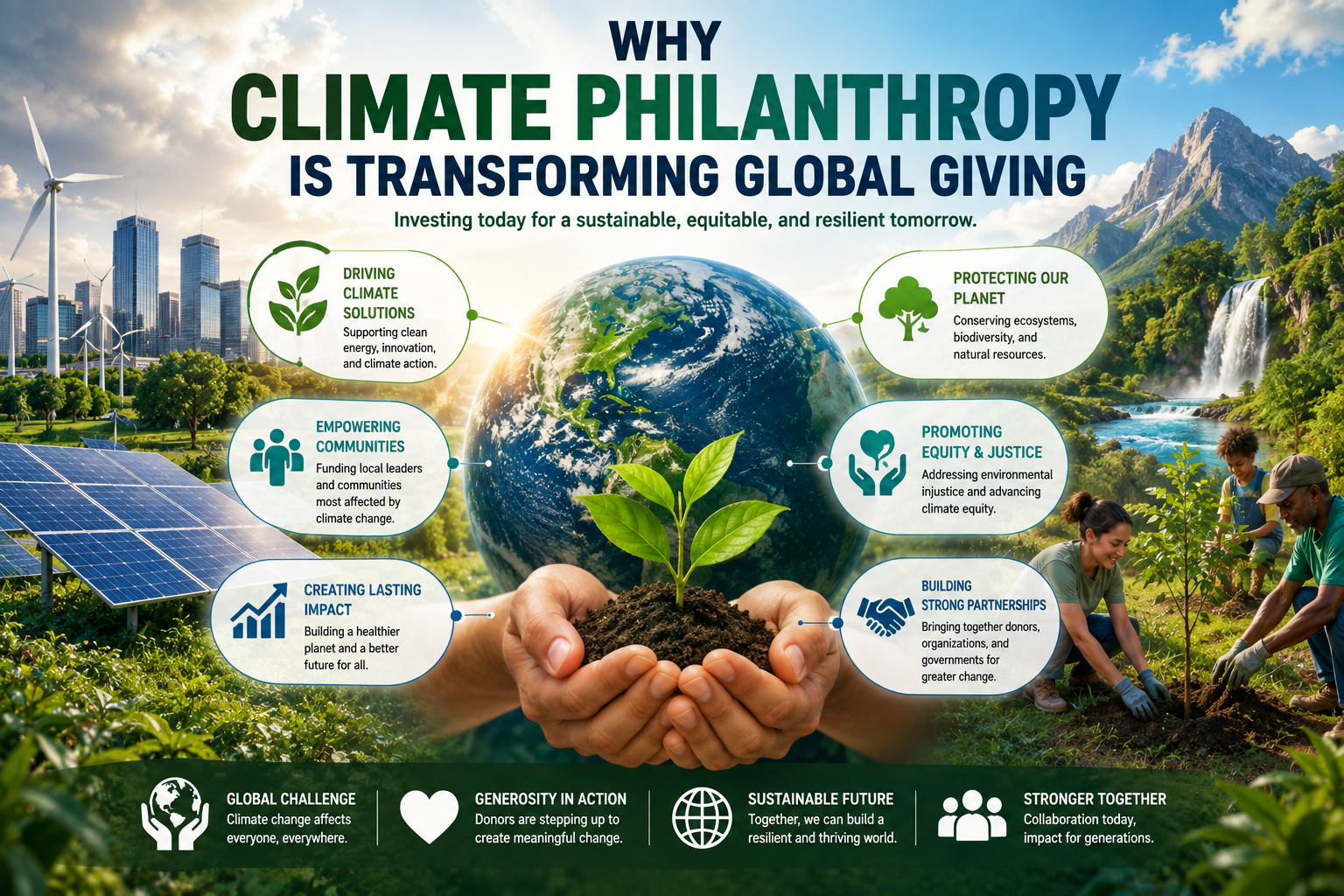
Why Climate Philanthropy Is Transforming Global Giving - Climate change has become one of the most pressing challenges of the 21st century. Rising temperatures, extreme weather events, biodiversity loss, water scarcity, and environmental degradation are affecting communities worldwide. As governments, businesses, and individuals seek solutions, philanthropy has emerged as a powerful force in addressing these global issues.
In recent years, climate philanthropy has grown rapidly, attracting increased attention from foundations, corporations, wealthy donors, and everyday supporters. What was once a relatively niche area of charitable giving is now becoming a major focus of global philanthropy. Donors are increasingly recognizing that climate change influences nearly every aspect of society, from public health and economic development to food security and social justice.
As a result, climate philanthropy is transforming how people think about charitable giving and creating new opportunities to drive meaningful environmental and social impact.
What Is Climate Philanthropy?
Climate philanthropy refers to charitable giving that supports efforts to address climate change, environmental sustainability, and ecological resilience.
These efforts may include funding for:
- Climate change mitigation
- Renewable energy projects
- Conservation initiatives
- Environmental education
- Climate research
- Sustainable agriculture
- Climate adaptation programs
- Environmental justice organizations
Unlike traditional environmental donations that may focus on local conservation projects, climate philanthropy often addresses large-scale global challenges with long-term implications.
The goal is not only to protect ecosystems but also to support communities, economies, and future generations affected by climate-related risks.
The Growing Importance of Climate Change
Climate change is increasingly viewed as a systemic issue that affects multiple sectors simultaneously.
Its impacts include:
- More frequent heatwaves
- Severe storms and flooding
- Wildfires
- Droughts
- Rising sea levels
- Agricultural disruption
- Public health challenges
These consequences extend beyond environmental concerns and directly influence economic stability, infrastructure, migration patterns, and social equity.
Because climate change affects nearly every aspect of human life, many donors see climate philanthropy as an opportunity to generate broad and lasting impact.
Why Climate Philanthropy Is Growing
Several factors are driving the rapid growth of climate-focused giving.
Increased Public Awareness
Public awareness of climate issues has expanded significantly over the past decade.
Media coverage, scientific research, and firsthand experiences with extreme weather events have made climate change more visible than ever.
Many people now view climate action as an urgent priority rather than a distant concern.
As awareness grows, so does the willingness to support organizations working on environmental solutions.
Scientific Consensus
The scientific community continues to provide strong evidence regarding the causes and consequences of climate change.
Research highlighting the risks associated with rising global temperatures has encouraged donors to support initiatives aimed at reducing emissions and building resilience.
This growing body of evidence has helped make climate philanthropy a more prominent area of charitable investment.
Younger Generations Driving Change
Millennials and Generation Z are playing an important role in the growth of climate philanthropy.
Many younger donors prioritize environmental sustainability when making financial decisions, purchasing products, or supporting charitable organizations.
These generations often view climate action as interconnected with issues such as:
- Social justice
- Economic opportunity
- Public health
- Human rights
As younger generations accumulate wealth and influence, climate philanthropy is expected to continue expanding.
Climate Philanthropy and Environmental Justice
One of the most significant developments in climate philanthropy is the growing focus on environmental justice.
Climate change does not affect all communities equally.
Low-income populations, Indigenous communities, and developing nations often face disproportionate environmental risks despite contributing the least to global emissions.
Environmental justice initiatives seek to address these inequalities by supporting:
- Vulnerable communities
- Climate adaptation efforts
- Equitable access to resources
- Community-led solutions
- Resilient infrastructure
Many donors increasingly recognize that effective climate action must include social equity and community empowerment.
Supporting Climate Solutions
Climate philanthropy funds a wide range of solutions designed to reduce environmental harm and accelerate sustainability.
Renewable Energy
One major area of focus is the transition from fossil fuels to renewable energy sources.
Philanthropic funding supports projects involving:
- Solar power
- Wind energy
- Clean energy innovation
- Energy efficiency technologies
These initiatives help reduce greenhouse gas emissions while promoting sustainable economic growth.
Conservation and Biodiversity
Protecting ecosystems remains a core component of climate philanthropy.
Donors support efforts such as:
- Forest conservation
- Reforestation programs
- Wetland restoration
- Wildlife protection
- Marine conservation
Healthy ecosystems play a critical role in absorbing carbon emissions and maintaining environmental balance.
Sustainable Agriculture
Agriculture both contributes to and is affected by climate change.
Climate philanthropy increasingly supports sustainable farming practices that:
- Improve soil health
- Reduce emissions
- Increase food security
- Enhance resilience to extreme weather
These programs can benefit farmers while promoting environmental sustainability.
Climate Innovation
Many philanthropic organizations invest in research and innovation.
Funding supports the development of:
- Carbon capture technologies
- Clean transportation
- Sustainable materials
- Climate data systems
- Advanced energy solutions
Innovation is often viewed as essential for achieving long-term climate goals.
The Role of Foundations
Large philanthropic foundations have become major contributors to climate action.
Many foundations are allocating substantial resources toward environmental initiatives and sustainability programs.
Their funding often supports:
- Scientific research
- Policy development
- Advocacy campaigns
- Community projects
- International climate partnerships
Foundations also play an important role in convening stakeholders and fostering collaboration among governments, businesses, nonprofits, and local communities.
Corporate Climate Philanthropy
Businesses are increasingly participating in climate philanthropy as part of broader sustainability and corporate social responsibility strategies.
Corporate climate initiatives may include:
- Environmental grants
- Carbon reduction programs
- Community sustainability projects
- Renewable energy investments
- Conservation partnerships
Companies recognize that environmental responsibility can strengthen stakeholder trust while contributing to long-term business resilience.
As consumers increasingly expect sustainable business practices, corporate climate philanthropy continues to grow.
Climate Philanthropy and Impact Investing
The lines between philanthropy and investing are becoming increasingly blurred.
Many donors are combining traditional charitable giving with impact investing strategies.
Impact investments seek both financial returns and measurable environmental or social benefits.
Examples include investments in:
- Renewable energy companies
- Sustainable agriculture ventures
- Green infrastructure projects
- Climate technology startups
This approach allows donors to support climate solutions through both grants and investments.
Challenges Facing Climate Philanthropy
Despite its growth, climate philanthropy faces several challenges.
Scale of the Problem
Climate change is a global issue requiring enormous resources.
While philanthropic funding plays an important role, it cannot solve the problem alone.
Meaningful progress requires collaboration among governments, businesses, investors, and civil society.
Measuring Impact
Assessing the effectiveness of climate-related initiatives can be difficult.
Some outcomes may take years or even decades to become fully visible.
Organizations must develop reliable methods for evaluating environmental and social results.
Funding Distribution
Critics argue that some climate funding remains concentrated among large organizations while smaller grassroots groups struggle to access resources.
Many experts advocate for more community-led and locally driven approaches to climate philanthropy.
Political and Regulatory Complexity
Climate issues often intersect with public policy and economic interests.
This complexity can create challenges for organizations seeking to drive change across multiple regions and sectors.
Emerging Trends in Climate Philanthropy
Several trends are shaping the future of climate-focused giving.
Community-Led Climate Action
Donors increasingly support local organizations that understand the specific environmental challenges facing their communities.
Community-led solutions often produce more sustainable and equitable outcomes.
Climate Resilience
Beyond reducing emissions, many philanthropic efforts now focus on helping communities adapt to climate impacts.
Examples include:
- Flood protection
- Water management
- Disaster preparedness
- Climate-resilient agriculture
Data and Technology
Advanced technologies are helping organizations monitor environmental conditions and measure impact more effectively.
Tools such as satellite imagery, artificial intelligence, and predictive analytics are improving climate decision-making.
Global Collaboration
Climate philanthropy is becoming more international.
Foundations, nonprofits, corporations, and governments increasingly work together to address shared environmental challenges across borders.
Why Climate Philanthropy Matters
Climate philanthropy matters because climate change affects nearly every aspect of society.
Investments in environmental sustainability can produce benefits that extend far beyond ecological protection.
Successful climate initiatives can improve:
- Public health
- Economic stability
- Food security
- Community resilience
- Social equity
- Biodiversity conservation
By addressing root causes and supporting long-term solutions, climate philanthropy has the potential to create lasting positive change on a global scale.
Conclusion
Climate philanthropy is transforming global giving by placing environmental sustainability and climate action at the center of charitable efforts. As awareness of climate risks continues to grow, donors are increasingly directing resources toward initiatives that reduce emissions, protect ecosystems, support vulnerable communities, and promote sustainable development.
From renewable energy and conservation to environmental justice and climate innovation, philanthropic funding is helping drive meaningful solutions to one of humanity's greatest challenges. While significant obstacles remain, the growth of climate philanthropy demonstrates a powerful shift in how individuals, foundations, and businesses approach social impact.
As the world continues to confront climate change, climate philanthropy is likely to play an even larger role in shaping a more sustainable, resilient, and equitable future for generations to come.
- Categories
- Philanthropy